Blackjack Strategy Updates for November 2026: Core Mechanics and Table Variations
Frankie Bauer · Nov 6, 2026
Blackjack Strategy Updates for November 2026: Core Mechanics and Table Variations
Blackjack continues to draw players through its blend of skill elements and chance outcomes, with data from regulatory reports showing steady participation across both physical and virtual platforms into late 2026. Observers note that core decisions such as hitting, standing, splitting, and doubling remain central, while rule sets at individual tables introduce measurable shifts in expected value calculations. Research from academic sources indicates that players who apply basic strategy reduce the house edge to approximately 0.5 percent under standard conditions, whereas deviations based on specific table rules can alter those figures further.
Basic Strategy Foundations in Multi-Deck Environments
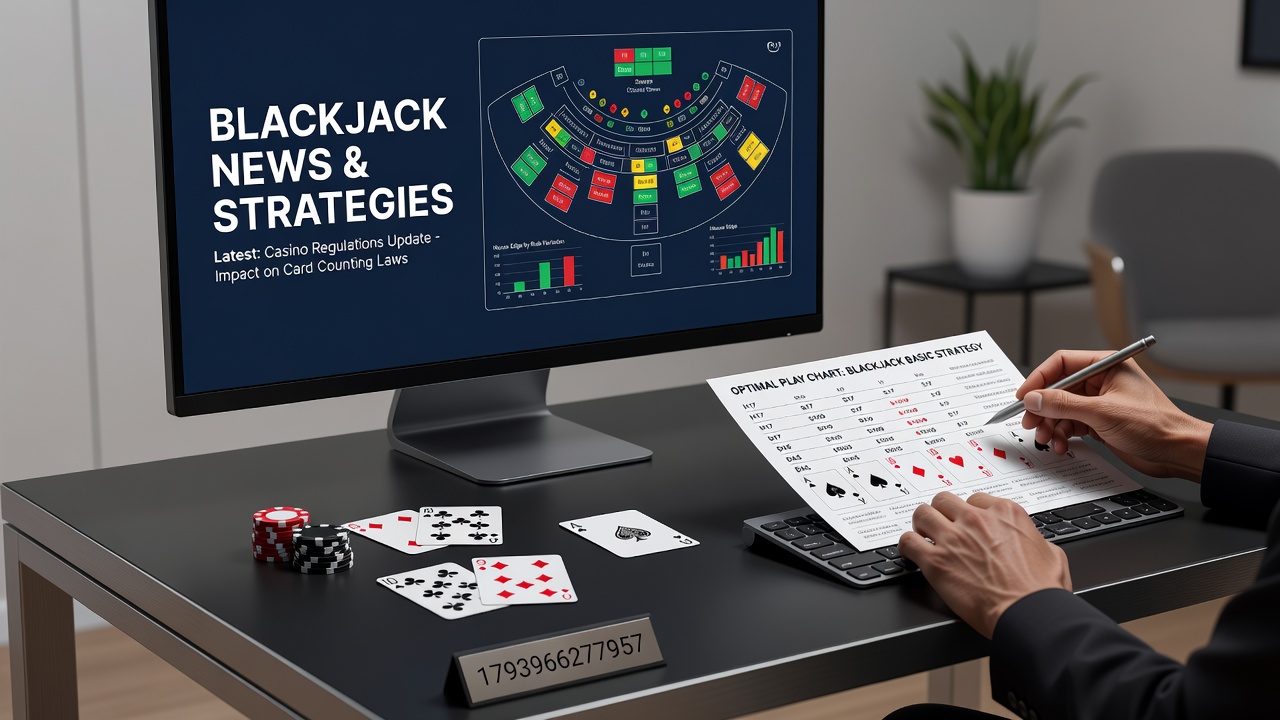
Tables operating with six or eight decks dominate many casino floors, and strategy charts adjust accordingly for dealer standing rules on soft 17. Those who study frequency charts find that hitting on 16 against a dealer 10 remains the optimal move in the majority of cases, supported by combinatorial analysis conducted at institutions tracking game mathematics. Splitting pairs follows similar logic, with aces and eights recommended for separation while face cards stay together under most rule sets. Data compiled by the Nevada Gaming Control Board reveals that tables enforcing these standard procedures maintain consistent player return percentages when basic strategy adherence stays high.
Insurance and Side Decision Points
Insurance bets trigger when the dealer shows an ace, and the mathematical threshold sits at a true count of plus three or higher for card counters tracking remaining tens. Studies published in probability journals confirm that taking insurance without such information increases the house edge on that side wager alone. Players at single-deck games encounter different frequencies for these situations, prompting separate decision trees that account for the altered composition of the remaining deck. Figures from industry tracking organizations show insurance utilization rates varying by region, with higher engagement in markets where players receive real-time count displays through approved software.
Live Dealer Platforms and Rule Consistency
Online environments in November 2026 feature live dealer streams that mirror land-based rules, yet interface elements allow for faster hand resolution. Analysts from European gaming associations report that players switching between formats benefit from memorizing adjustments for continuous shuffling machines versus shoe-based games. European no-hole-card variations require specific strategy tweaks on doubling decisions, avoiding losses when the dealer later reveals blackjack. Those tracking session data across platforms discover that rule transparency in live streams supports steadier application of basic strategy over extended periods.

Regional Rule Variations and Player Adjustments
Casinos in different jurisdictions apply distinct combinations of resplitting limits and double-after-split permissions, each changing the overall return percentage by fractions of a percent according to simulation outputs from research groups. Australian regulatory summaries highlight that venues offering surrender options at the half-bet level create additional decision branches not present in stricter markets. Players moving between regions compile reference sheets that list these differences, ensuring decisions align with the active rule set rather than default charts. Evidence from multi-site studies demonstrates that even small rule modifications produce cumulative effects across hundreds of hands played per session.
Technology Integration in Strategy Tracking
Approved apps and table-side displays now provide real-time basic strategy prompts in select licensed venues, drawing from verified probability models. Reports issued by Canadian provincial gaming authorities note increased compliance rates when such tools operate under regulatory oversight. Card counting remains a separate skill layer that operates independently of these prompts, relying on running counts converted to true counts based on remaining decks. Observers tracking adoption patterns find that integration of these technologies occurs most readily in markets with established licensing frameworks outside the United Kingdom.
Conclusion
Blackjack strategy in November 2026 rests on established mathematical principles that adapt to table-specific rules and format differences. Players who reference updated charts for each venue maintain closer alignment with optimal play percentages, while regulatory data from bodies such as the Nevada Gaming Control Board and various international associations continue to document participation trends. Those who study these elements encounter consistent patterns across live and digital settings, with decisions grounded in combinatorial analysis rather than intuition alone.